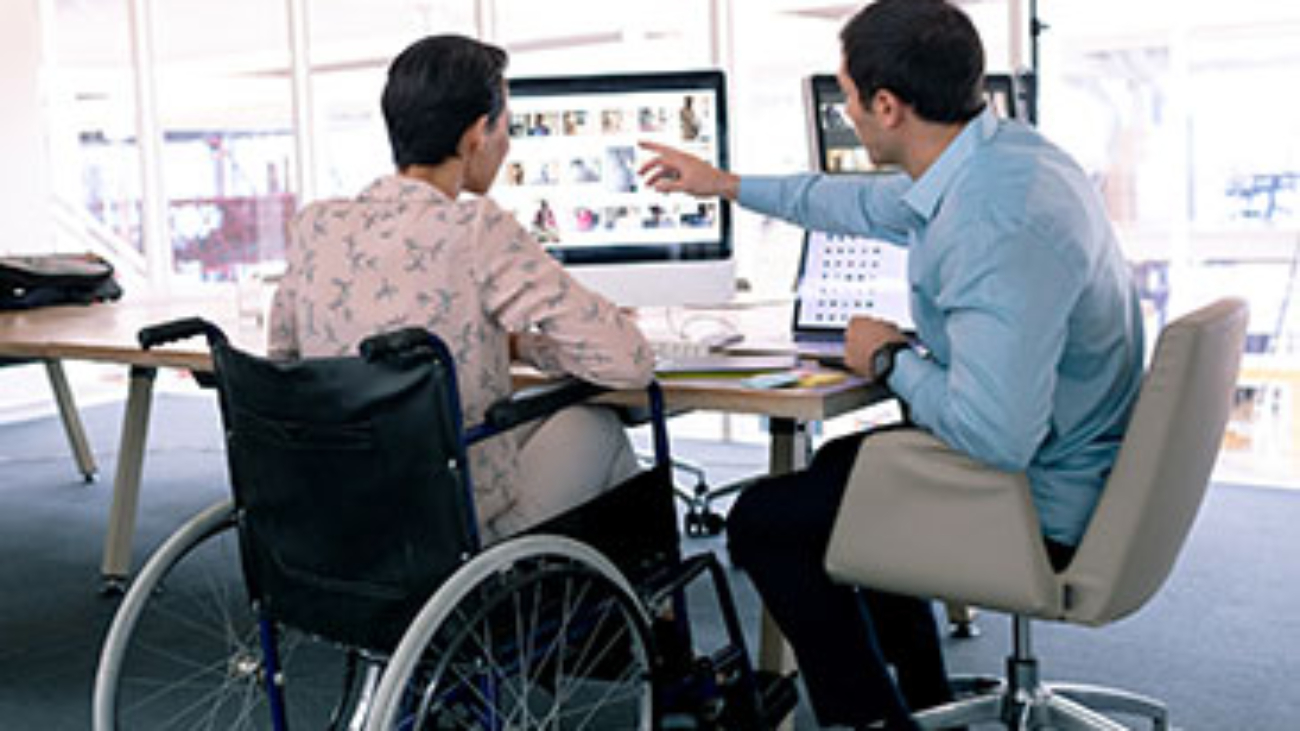
An important threshold was crossed by the “Development of Access to Livelihoods for Persons with Disabilities” project, carried out by INGEV in cooperation with Relief International and with support from PRM. Within the scope of the plan to reach Syrian and Turkish disabled individuals in Istanbul, who are actively seeking jobs, training on “MS Office Usage” has been conducted in August, as well as “Call Center” workshops in September. In addition, prospective entrepreneurs have begun to take steps to establish their companies to achieve reliable employment and stability. In the coming months, INGEV envisages to increase the number of disabled entrepreneurs who will contribute to production in Turkey and act as models for prospective entrepreneurs throughout the forthcoming training.
Global Intrigue About d-FAIRs 1st Virtual Event
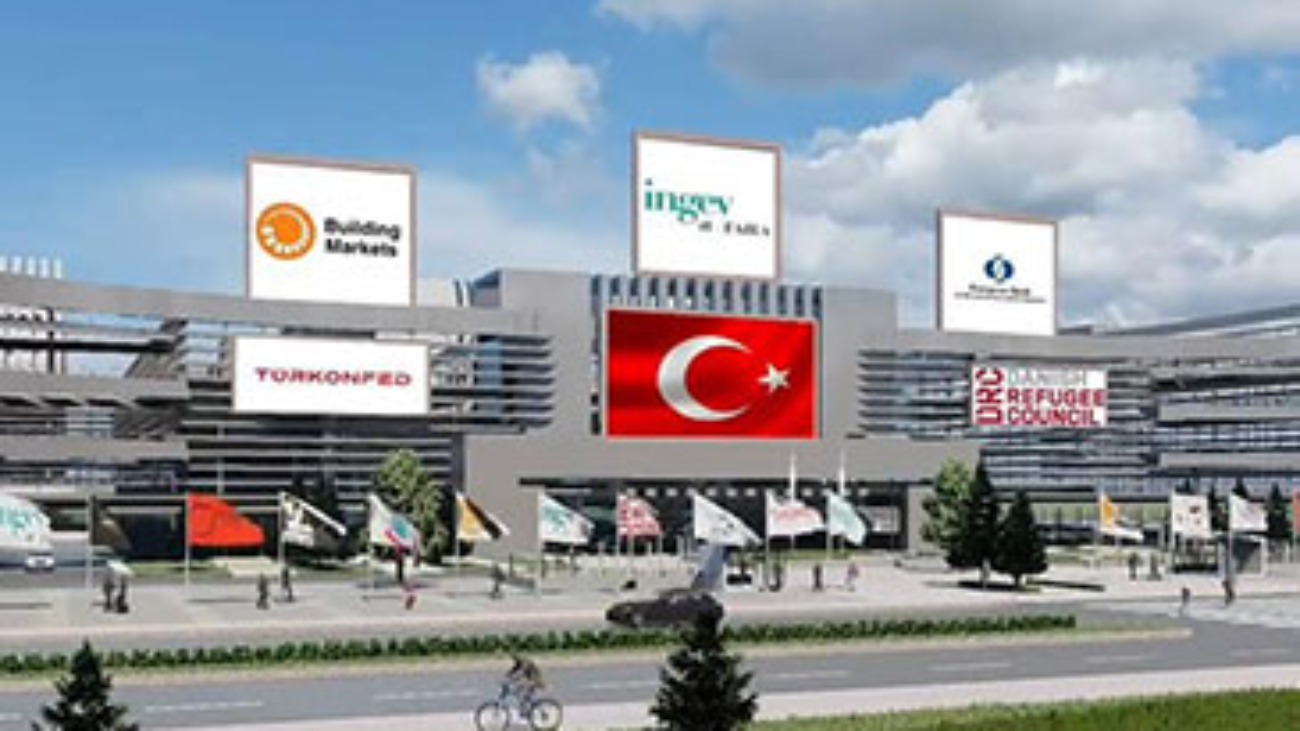
INGEV 1st d-FAIR for Women’s Clothing and Footwear took place on September 12-15 with eager participation from more than 20 countries. Organized to support the business recovery of Syrian SMEs and lend impetus to social cohesion in addition to financial integration, the virtual fair was one of of its kind.
INGEV new perspective has actualized a pioneering practice that allows SMEs to reach out to international markets, as they position their brands, develop products, renew their visibility and adapt to the digital world instead of traditional matchmaking, training and networking activities, which are gradually decreasing amid the pandemic. INGEV also aims to improve the capacity of Syrian vulnerable SMEs and develop their contribution to local economy, while enabling export through innovative platforms like the virtual fair.
During the event, 800 business cards, amongst which were international buyers, were exchanged with 39 Syrian SME. Meanwhile, the visuals and catalogues produced by INGEV in three languages were visited 2,100 times, presenting an opportunity for new ventures and purchase possibilities.
20 international speakers from UNDP, TÜRKONFED, EBRD, DEİK, Mavi Jeans and Metro Toptan conversed with the exhibitors and guests at the virtual fair about activities in the form of panels. 2,500 people registered for the virtual fair, of which 68% were from abroad. As the virtual fair rolled adverts of SMEs were watched by 12 million people in 20 countries.
Click for Fair Panels:
https://www.youtube.com/watch?v=MxrhxRvSJoM&list=PLoRybKHcWWOcSngNw6qY2C0-nbujVesQ_
Conclusion of the Digital Identity Pilot Test!
Aimed at implementing trade chamber transactions and work permit applications for refugee entrepreneurs, in a blockchain-based platform, the digital identity pilot project has been successfully completed with the cooperation of Dutch technology company Tykn, UNDP and INGEV.
Innovative Approach to Mentorship
INGEV marked the 2nd year of the “Business Development Mentorship” project in cooperation with the EBRD (European Bank for Reconstruction and Development). With the kick-off meeting held on September 10, mentors met beneficiaries with whom they will work during 4 months, while the latter were introduced to the services, they will receive throughout the project duration.
Bringing together Syrian SMEs from different sectors and leading mentors who are sectorial experts, the project aims to orient 28 Syrian companies to new business networks. The project also supports Syrian SMEs in developing their marketing, business development and sales capacities. The most important advancement in the second year is that INGEV included female Syrian business owners in the project as mentees.
Another essential step is to feature SMEs’ potential in their respective fields and expand their operations through innovative ideas. INGEV innovative approach within mentorship concentrate on boosting turnover and sales, paving the way for branding, an empowered market positioning, enhancing distribution systems and broadening the ecosystem through new-sales goals.
Familiarity Breeds Cohesion
INGEV designed and carried out a research to gauge the level of social cohesion in Mardin. Mardin has hosted communities from different religions, languages, and cultures throughout history. As such, the fabric and multi-culturalism of the city contributes to higher social cohesion between local people and refugees. Social cohesion between the host and refugee communities was investigated with respect to various aspects of cohesion such as personal distress variables, and intergroup contact variables. The data collection involved face-to-face interviews with the host community and refugees and in-depth interviews with key informants such as representatives from NGOs and public institutions in Mardin. The research provided recommendations on strategies to further strengthen social integration and cohesion in the city. The findings can also serve as a model for social cohesion activities to be held in other regions around Turkey and world in general.
Support to SMEs Continues Despite the Pandemic
Entrepreneurship support gained momentum despite the Pandemic in the last quarter thanks to the support of UNDP and other program partners.
INGEV has witnessed a particular increase in work permit issuance, reaching 600 applications. INGEV has also managed to facilitate establishment of 14 new companies.
Within the scope of the project, 76 entrepreneurs have opened their companies so far, 28 of which registered Limited Liability Companies with a total capital of TRY 3.065.000.
INGEV consultants supported more than 100 entrepreneurs by focusing especially on digitalization as remote work, online sales and marketing became essential for Syrian SMEs during the pandemic. Additionally, a new Project in cooperation with UNDP has been launched in September 20’ that will aim to provide comprehensive support to Syrian SMEs in Turkey including digital infrastructure and cash grants, digitalization trainings and hands-on digital marketing support.
INGEV CHATS Focuses on Entrepreneurship and Cooperatives
INGEV CHATS has recently held its 18th episode since March when the Covid-19 outbreak started in Turkey. INGEV CHATS Episodes in June were devoted to Entrepreneurship and Cooperatives. As INGEV CHATS episodes exceeded 1 million total views on Facebook, our guests in June were; İbrahim Elbaşı, Duygu Eren, Ozan Sönmez, Emine Erdem, Arda Sacred, Murat Şahin, Ezgi Arslan, Ayşe Sabuncu Saraçlar, Prof. Dr. Fikret Adaman, Melis Batıkan and Levent Kahraman.
INGEV CHATS will continue in July by focusing on the topics at the center of our lives. You can access the episodes (only in Turkish language) that attracted great interest and offered a new vision on their chosen topics at http://ingev.org/ingev-chats/
Refugee Entrepreneurs are More Pessimistic About the Future
Refugee entrepreneurs are more affected by the COVID-19 pandemic than their Turkish counterparts and are more pessimistic about the future.
INGEV TAM’s “Understanding Local and Refugee Entrepreneurs and Their Needs in the COVID-19 Outbreak and Normalization Process” research study indicates that revenues of refugee entrepreneurs are more negatively affected by the pandemic than local entrepreneurs and they are more pessimistic about the future. Another important finding is that during this period, as the distancing measures inevitably brought digitalization to the center stage of our lives, Syrian entrepreneurs needed consultancy and financial support in order to adapt and keep up in an environment where online transactions and communications became vital. In addition, half of the Syrian entrepreneurs are unaware of the support and aid mechanisms provided to SMEs by the government.
Click for Press Release. (Only in Turkish)
Summary of the Research Click for “One-Pager”.
Barrier to Cohesion: Disinformation
Turkish people are so misinformed about Syrians living in Turkey that the biggest obstacle to social harmony among the two communities can be said to be disinformation.
The Human Development Monitor Survey conducted by INGEV TAM in collaboration with Istanbul Bilgi University Faculty of Communication revealed that local community members possess quite a bit of misinformation about the humanitarian aid provided to Syrians in Turkey.
The research revealed that local community members are better informed when it comes to issues related to daily life such as health care and payments of bills. A majority of the population, however, is under the impression that refugees get special treatment on topics such cash transfers by the Turkish government, reduced taxes, easier access to education and fast-tracked citizenship rights.
Half of the local community thinks that the most tense social relationship in Turkey today is the one between Turkish people and Syrians. Nearly half of the local community members say they do not want their children to be friends with refugees. This tension felt by the members of society seems to stem from pieces of disinformation prevalent in the society in relation to humanitarian aid provided to Syrians.
Click to access the press release. (Only in Turkish)
Click for the detailed research report.
Click for the summary findings of the research.