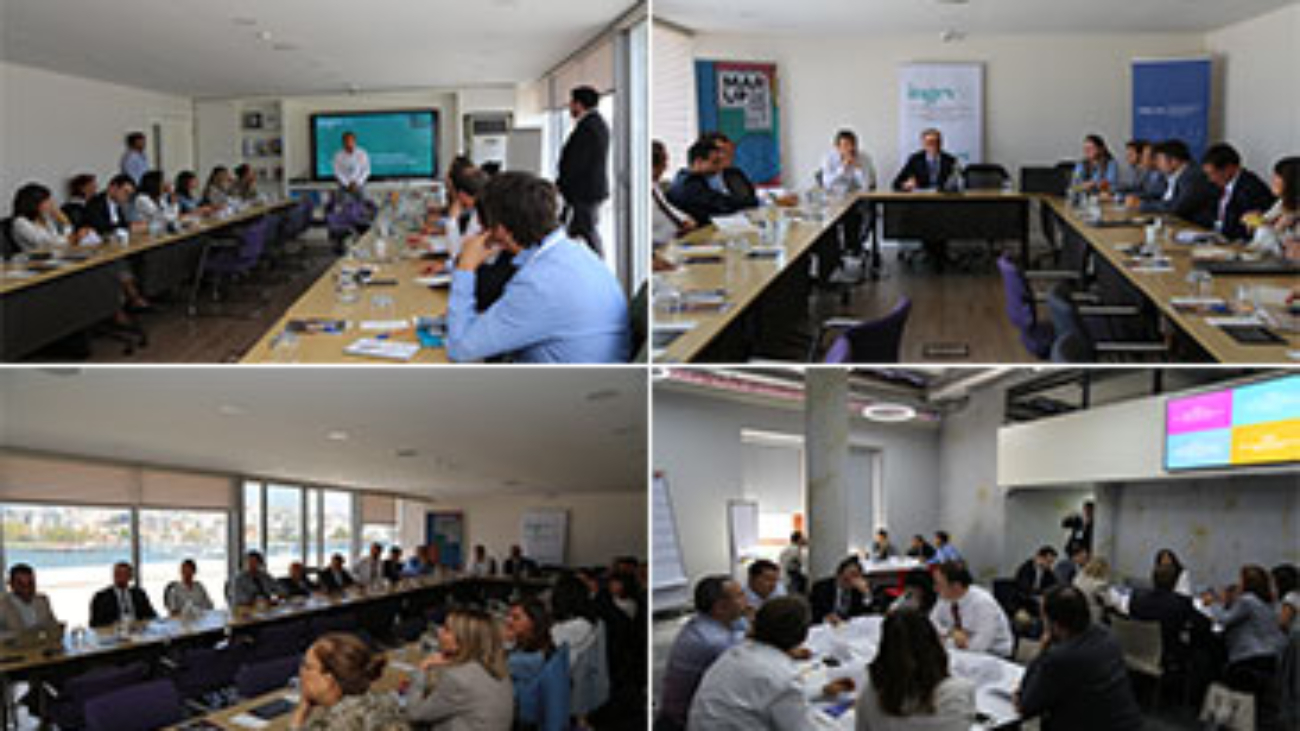
HDI and Measurement of Sustainable Development Objectives

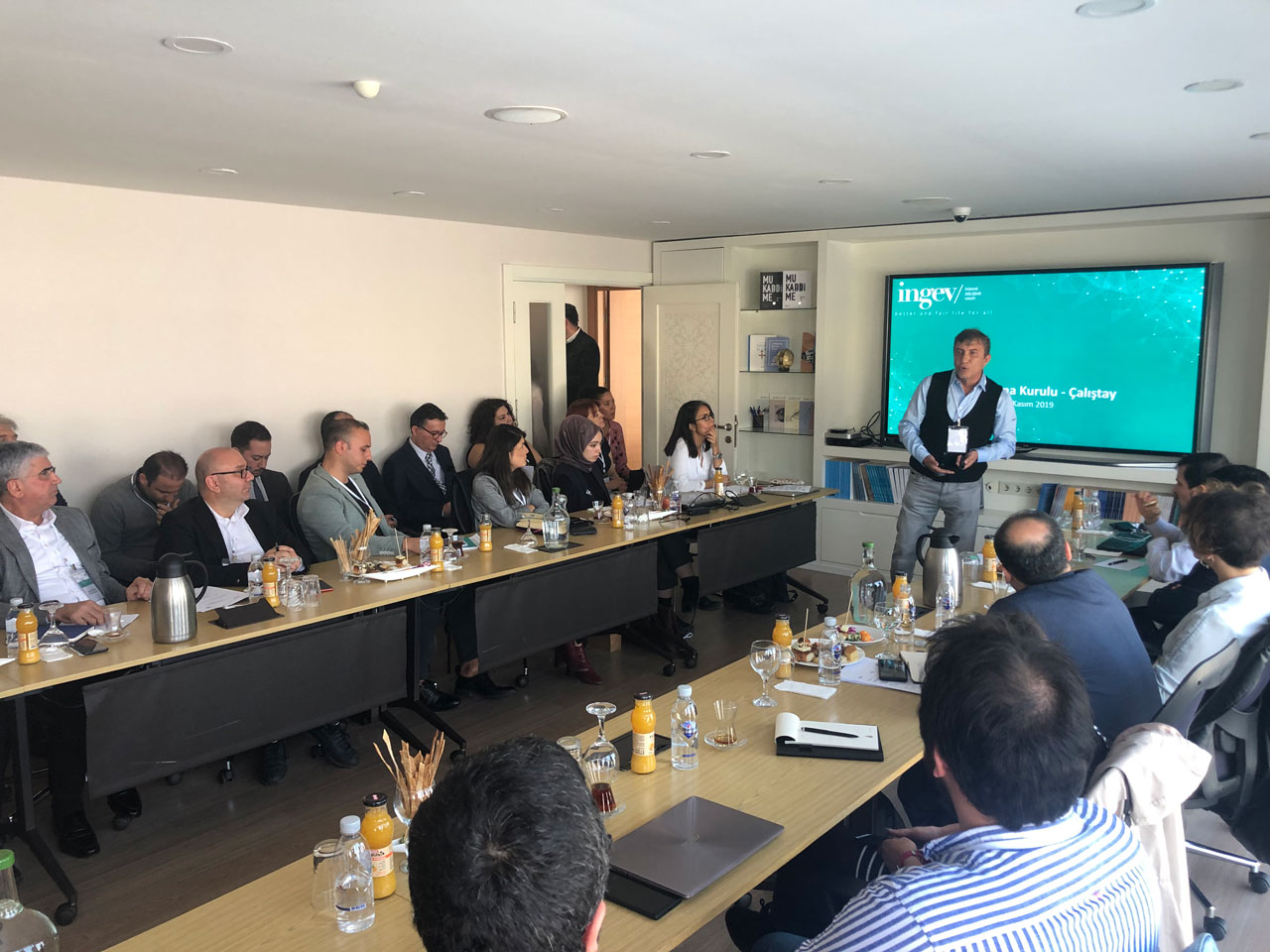
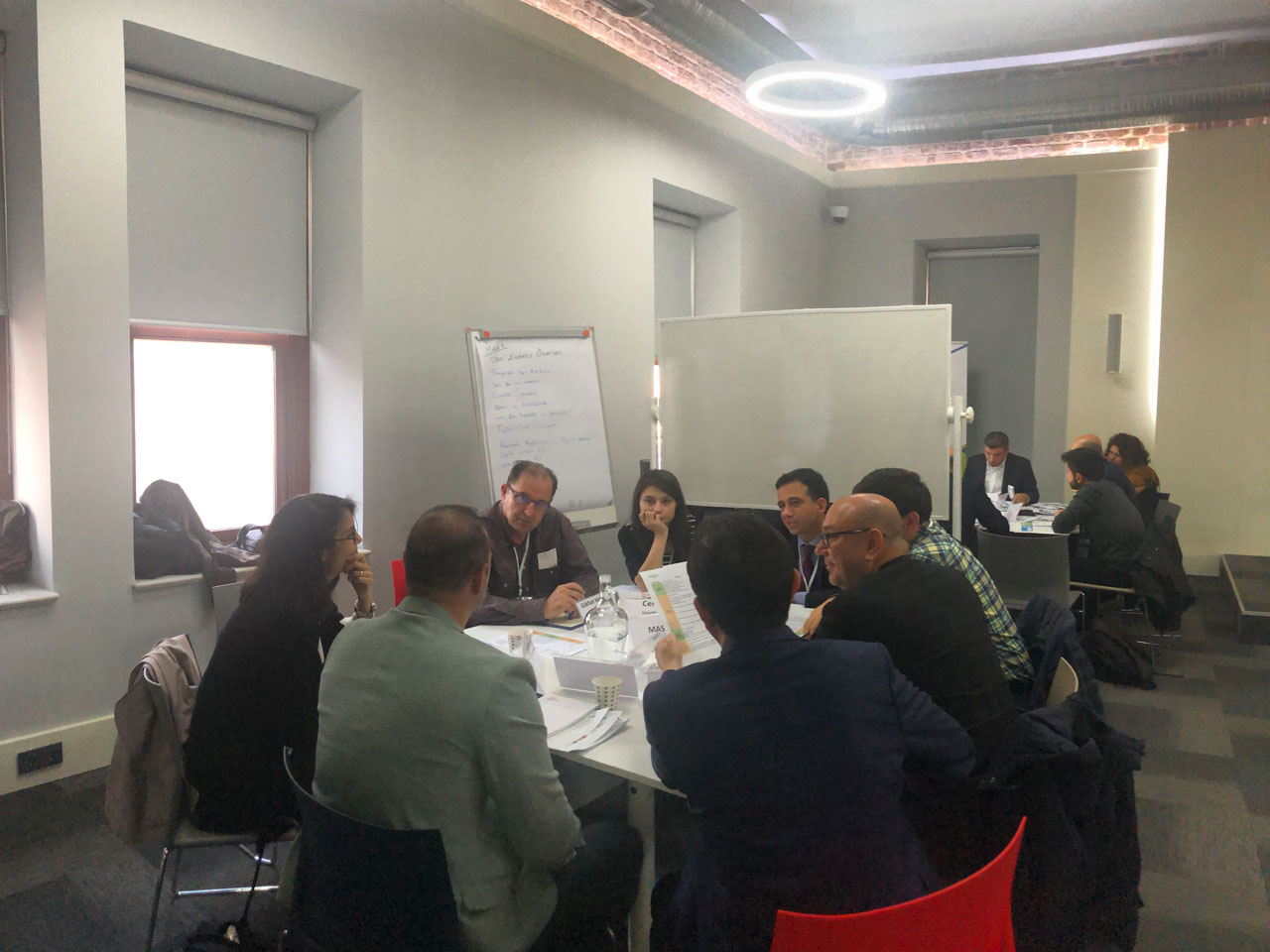
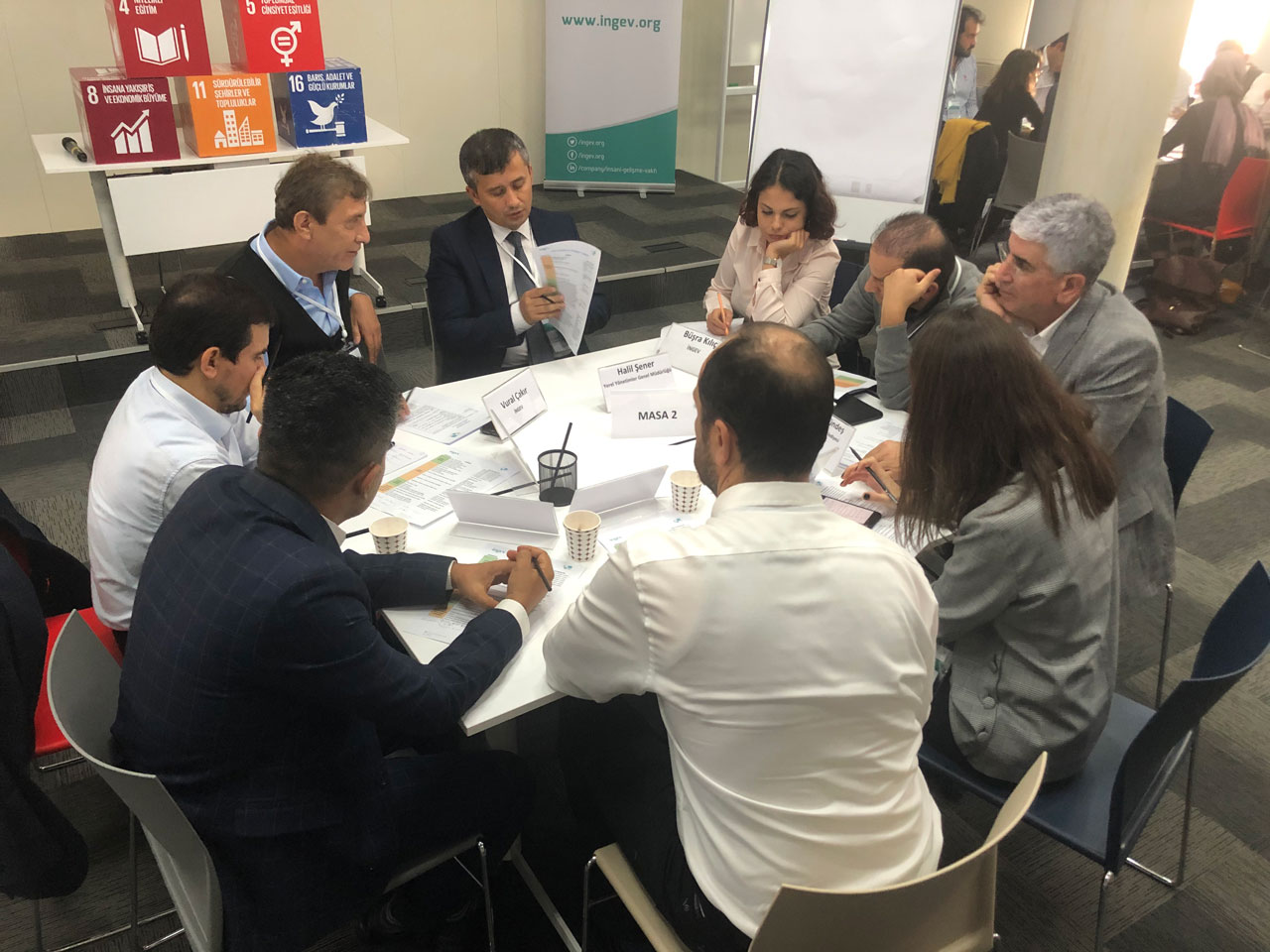
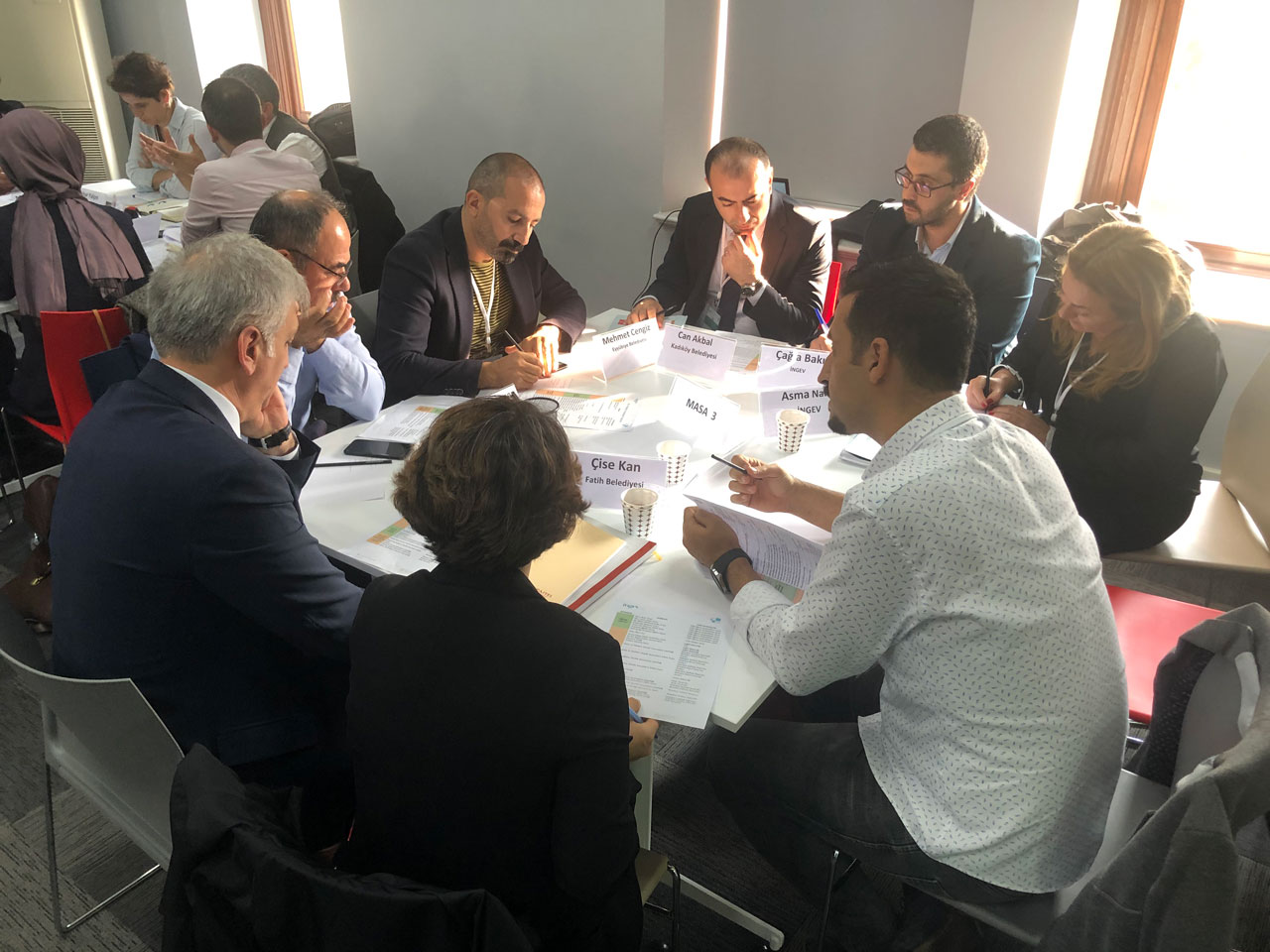
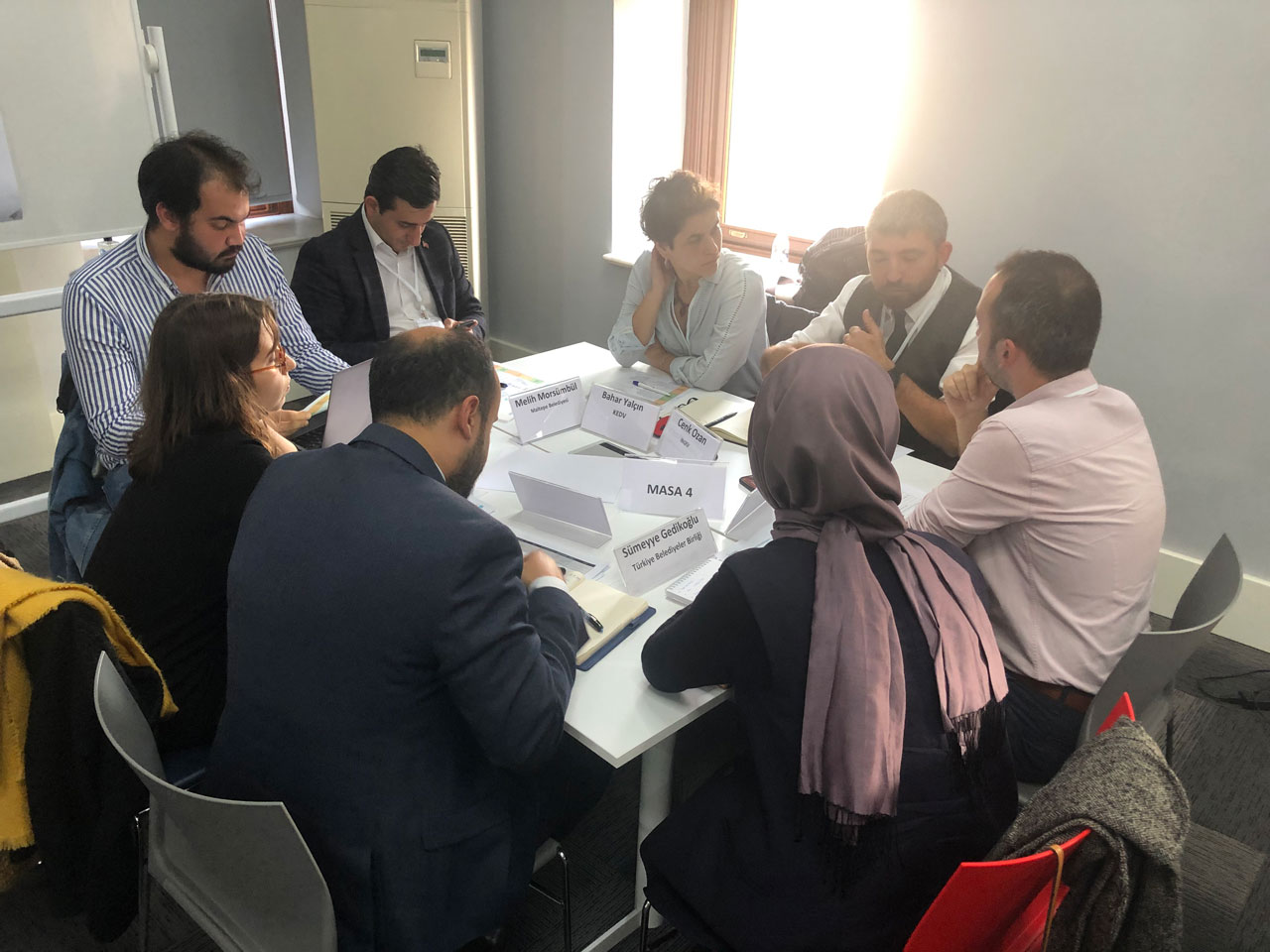
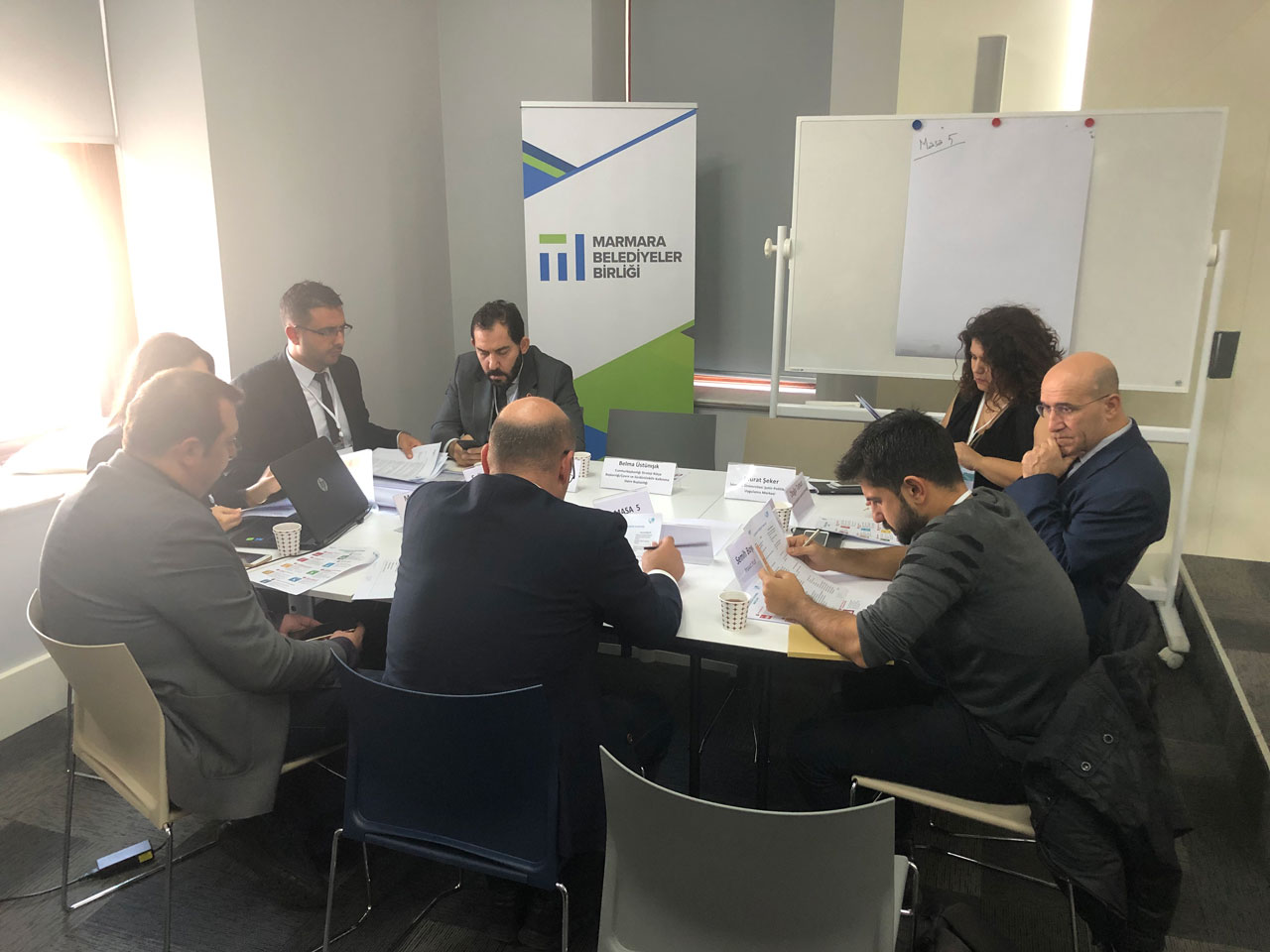
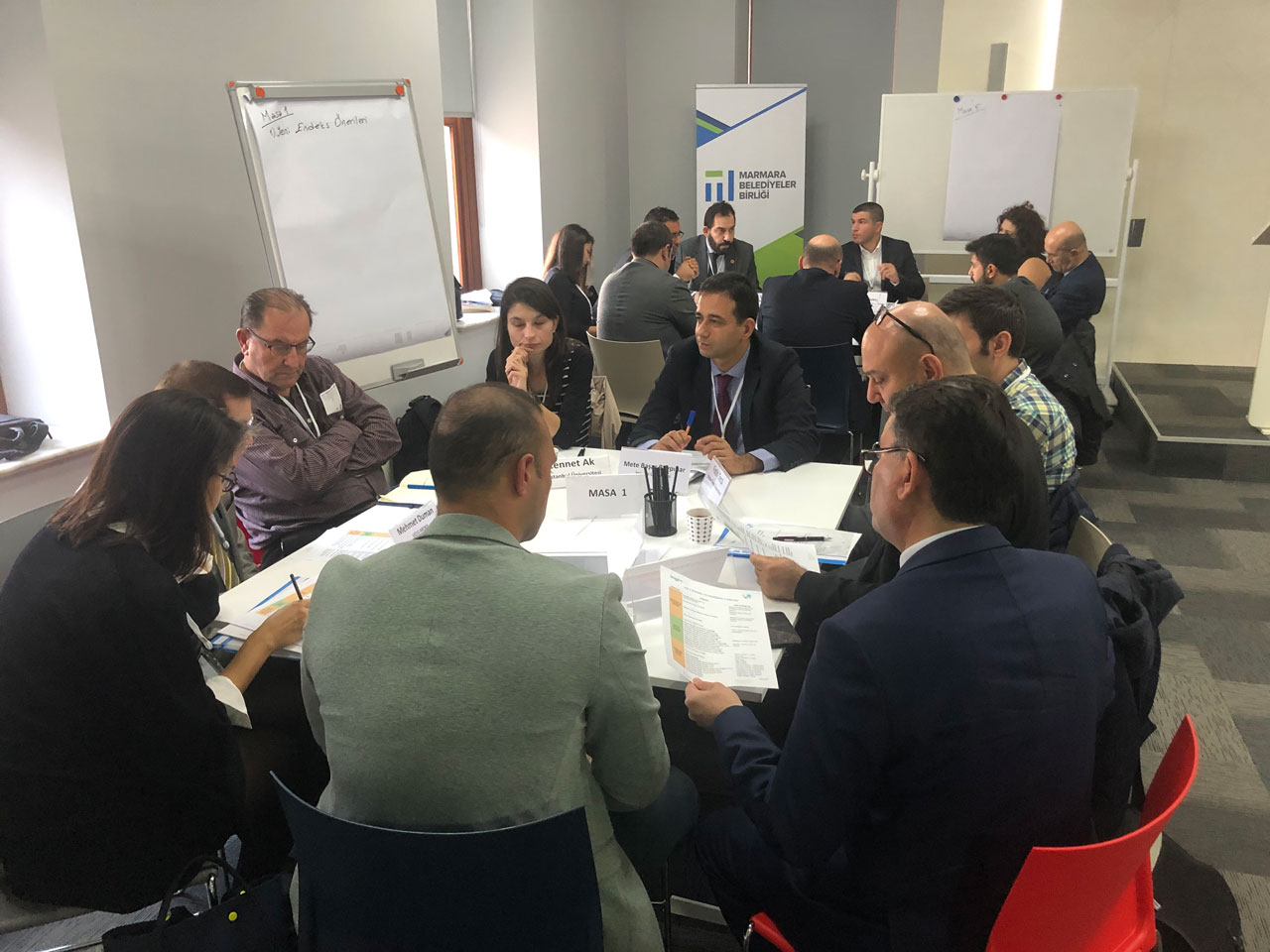
Preparations for the Human Development Index (HDI) 2020 are underway. The workshop held under the hosting of Marmara Municipalities Union provided the roadmap for the new period context through a wide participation and efficient group studies. Two separate reports will be published within the scope of HDI 2020; for districts (HDI-D) and metropolitan municipalities (HDI-MM). There are significant developments in terms of sub-indexes. The addition of the sub-index of gender and study of environment as a separate topic are among the primary context expansions. Utilisation of an artificial intelligence program for data analyses is also among stipulated developments. Another important development is that a special section will be present in both reports dedicated to sustainable development objectives (SDO). During the studies conducted in cooperation with UCLG, the opportunity to relate HDI and SDOs was defined. HDI-D has been met with widespread interest since its first year, and made significant contribution to the spread of human development concept.

Social Media Reliability, Gender and Social Cohesion

Human Development Monitor (HDM) began the new period in cooperation with İstanbul Bilgi University Faculty of Communication. First period topics consist of social media reliability, gender, social cohesion and refugee perception. The reports will begin to be published as of March. İstanbul Bilgi University and İNGEV will share the reports through joint activities. HDM aims to monitor social developments in fields of priority regarding human development and to develop social policy recommendations in line with this. The reports are prepared by assessing a field survey representing Turkey.

Gender Perceptions Research: Is it OK to Slap Women in Particular Situations?

Even though majority in Turkey agrees that inequality of opportunity based on gender exists in the society, we run the risk of accepting it as natural. Only 29% of the society think that men and women have equal opportunities. The majority of men admit that ‘it is more difficult to be a woman in Turkey’, and ‘women face more problems than men do in social life’.

The results of the research conducted in cooperation with INGEV TAM and Istanbul Bilgi University Faculty of Communication are released. According to the research, we have come a long way towards the equality, but there is still a long way to go.

Three out of every four people in society don’t think that ‘family unity will be broken when women participate in working life’ and they say that ‘active participation of women in working life will be good for the economy’. On the contrary, about one in four men is of the opinion that ‘if the husband does not allow, a married woman should not work’. Working life is also painful for women. Women (63%3) and (54%) men agree that ‘the women face discrimination at workplace.

Vast majority of the people say they are against violence. On the other hand, there are still a considerable number of people in favor of violence against women in certain situations. Ten percent of men have the idea that ‘in some cases, a woman can be slapped by her husband’. Another critical problem for violence against women is that one out of every four men thinks ‘if a woman is smacked by her husband, she should not tell others’.

For your questions and inquiries about the report: can.cakir@ingev.org

Brand-New Gender Sensitive Labor Market Assessment by INGEV

Brand-New Gender Sensitive Labor Market Assessment by INGEV

INGEV, with the funding and support of Save The Children, conducted an analysis of labour market assessment for vulnerable people living in Istanbul. The report titled “Gender Sensitive Labour Market Analysis” Report aims to empower economically vulnerable young females and males from refugee and host communities through decent work opportunities in order to realize their untapped potential, reduce inequality in their standards of living and contribute to economic development of the whole society. Besides that same report focuses on improving the economic conditions of displaced people in a gender-sensitive manner (i.e. gender equality in education, increasing women’s participation in the workforce, closing the pay gap between women and men, etc.) and look for opportunities to provide decent work both to women and men for more dignified, sustainable and satisfying labour conditions from a gender sensitive perspective.

The report findings also indicate that most promising business sectors for the employment pathway are Food Production; Healthcare Services; Hospitality (incl. accommodation, food servicing, travel operations); information and communication technology; Textiles/Apparel/Shoes; Wholesale and Retail Trade. Favourable occupational groups in these sectors comprise of marketing and sales positions; production and assembly line jobs; repairs and technical support; product development and design roles; logistics and supply chain operations.  

Read full report

HDI 2019 Steering Committee Held

HDI 2019 Steering Committee Held

İNGEV in its first year, has conducted HDI-D (Human Development Index-Districts) in local level in order to measure and monitor human development in 150 districts. By extending its scope, in the year 2017, number of districts reached up to 186. From this year onwards, HDI includes not only districts but metropolitan municipalities.

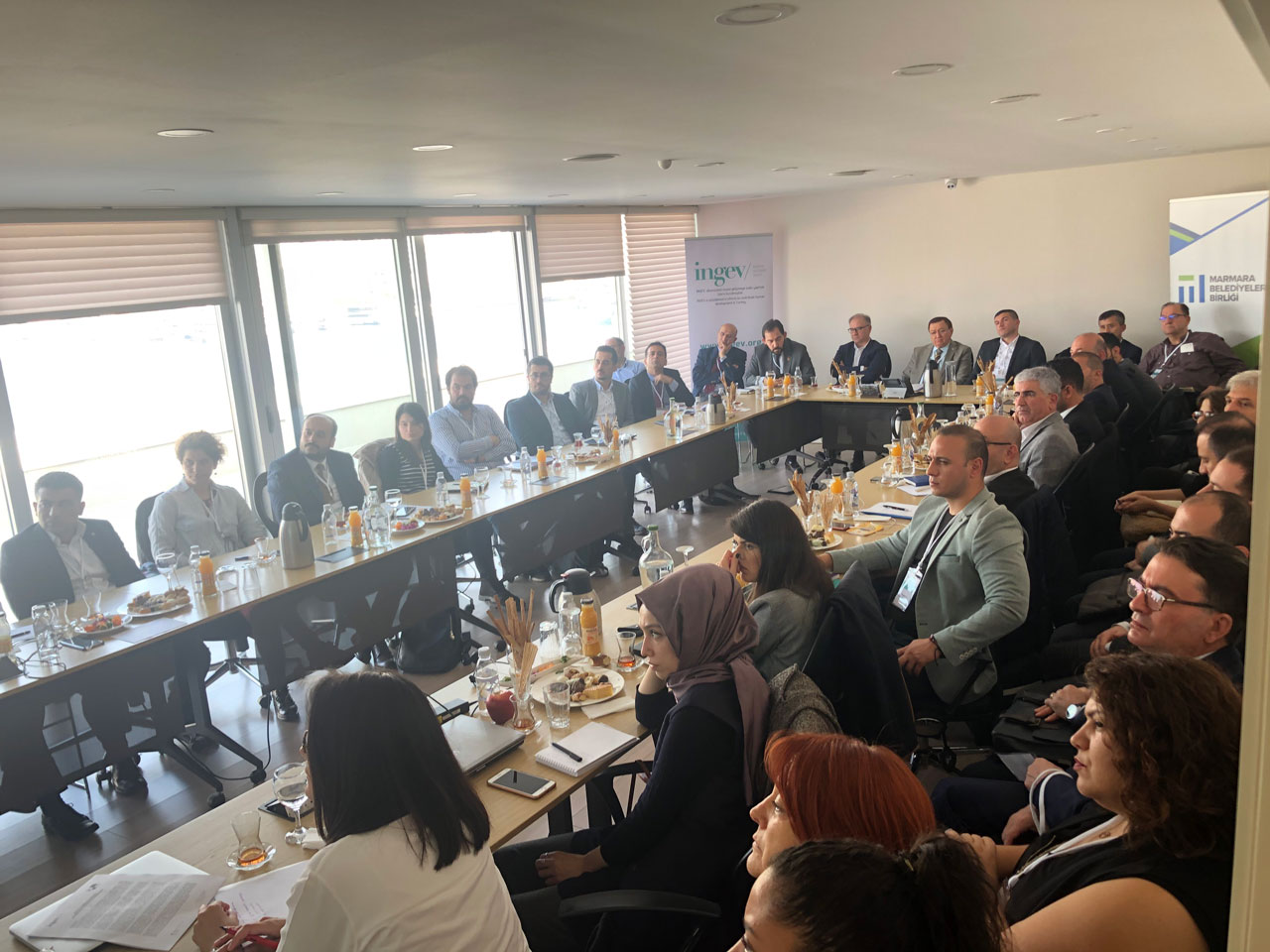
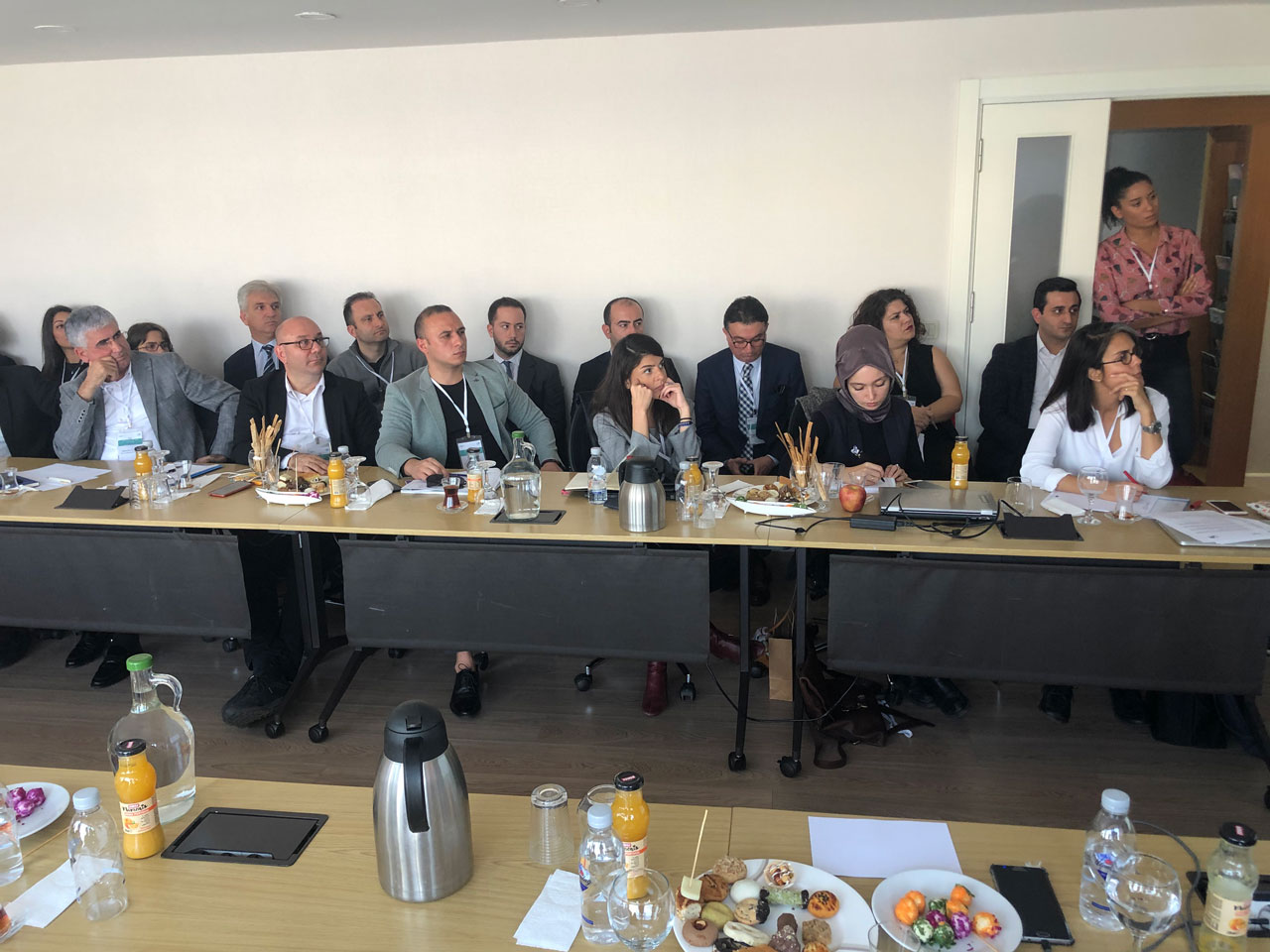
HDI Steering Committee was held at the Union of Marmara Municipalities. Metropolitan municipalities and districts, scholars, international institutions, NGOs and private sector representatives shared and exchanged ideas about the scope of HDI-D and HDI-M (Human Development Index-Metropolitan). The scope of the research will expand now with new indexes and data resources. The efficient usage of these mediums by the districts in micro-level and it’s being supported by central government and other shareholders increase the quality of life.

İNGEV and UCLG-MEWA recently signed a cooperation agreement to assess UN Sustainable Development Goals as local metrics in relation with HDI-D and the implementation of HDI-D in different countries of Middle East and Western Asia. HDI Steering Committee also shared their thoughts on which fields HDI-D and UN SDGs can match and which data source can be measured.

INGEV Brought Together Syrian SMEs with ITO and KOSGEB

İNGEV Brought Together Syrian SMEs with ITO and KOSGEB

In the context of EBRD supported “Business Development Mentorship for Syrian Companies” project, İNGEV brought together Syrian SMEs which INGEV provides mentorship services for with İTO (Istanbul Chamber of Trade) and KOSGEB (Small and Medium Enterprises Development Organization of Turkey), the meeting was hosted by İTO.

Opening speeches for the meeting hold at İTO were given by İNGEV’s Director Berk Çoker and Burak Öztemel from the İTO’s Project and Business Development Directorate.

Following the speeches, İTO representatives informed Syrian SMEs about the history, corporate structure, activities and events of İTO. Moreover, İTO representatives gave a presentation on the Trade Ministry’s trade incentives, credits, and trainings and symposiums organized by the Chamber.

SMEs expert from KOSGEB, Kerim Bilir, has also informed Syrian company representatives about the financial supports and fair incentives for SMEs

İNGEV and UCLG-MEWA Signs Cooperation Agreement

İNGEV and UCLG-MEWA Signs Cooperation Agreement

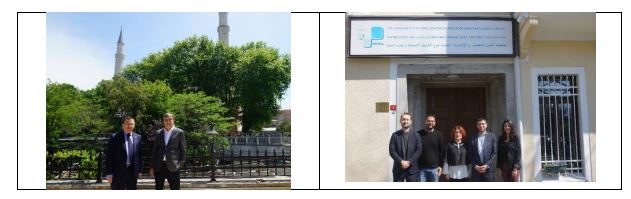
İNGEV and UCLG-MEWA will work on the assessment of the Human Development Index-Districts (HDI-I) as metrics in which the UN Sustainable Development Goals are measured and implemented in different countries in the Middle East and West Asia Region.

İNGEV’s Human Development Index-District report aims to measure and monitor human development at local level. Today, as localization is increasing, local policy instruments affecting human development are also diversifying. The effective use of these instruments by local governments on a micro scale, and support by other stakeholders, especially the central government, improves the quality of life.

İNGEV and UCLG-MEWA, the most important organizations in their fields, aim to strengthen these efforts in the field of supporting local governments.


ActHuman “Digital Governance Opportunities for Municipalities” Workshop was Held at Marmara Municipalities Union

ActHuman “Digital Governance Opportunities for Municipalities” Workshop was Held at Marmara Municipalities Union

ActHuman’s second term has started with the cooperation of INGEV, IPM and Oxford University. Marmara Municipalities Union hosted the second term’s first consultancy meeting which aims to determine “The Digital Management Opportunities for Municipalities”.

Dr. Eren Korkmaz from Oxford University made a presentation on “The Digital Management Opportunities for Municipalities”. Dr. Korkmaz shared his ideas on the technology, social transformation, the latest technologies, the opportunities presented by the digital management and correct practices on this issue.

Following the presentation, municipalities, public institutions, international organizations, INGOs and private sector representations provided their opinions about the content of opportunities report to be prepared for municipalities.

During the workshop, participants mainly discussed about the issues such as the needs of municipalities for their digital management, technologic applications to improve the municipalities’ management capacities, the better ways of organizing municipalities and cooperation, and good examples applicable for Turkey.

As a result of the three months-research process, the digital management opportunities report will be published.

Civil Society Organisations’ (CSOs) Image Research by İNGEV

Trust in CSOs is low; transparency, excessive entanglement with politics and exploitation of religious sentiments are the primary issues

Main assessments obtained from the report prepared by INGEV TAM (INGEV Social Research Center) are as follows;

Civilian participation remains low.

When asked about how civil society participation takes place, it turns out that the most common activity among the Turkish society with respect to participating in civil society is to make donations. 28% of the public say they have made a donation in the last year. These are divided among various types of donations ranging from donations of animal woolskins to monetary donations to associations. Whether such activities constitute examples of active civil society participation is questionable.

The Turkish society’s participation is lowest when it comes to political civil society activities. Only 3.6% of the public have participated in a political activity within the last 12 months. Considering that local elections were held during this period; it should be mentioned that participation remained at considerably low levels.

Distrust in NGOs is high (55%)

The ratio of those who don’t trust CSOs is quite high (55%). The reasons for this have to do with the issue of transparency as 41% say this is the reason for their distrust in CSOs, followed by those who say CSOs have excessive entanglement with politics (40%) and CSOs exploit religious beliefs (40%).

It is understood that the ongoing discussions in the Turkish media on the use of CSO resources for partisan objectives and political crises related to the activities of FETO (Fethullah Gulen Terrorist Organization) loom quite large in public consciousness and affect the perceptions and attitudes toward CSOs. It is of importance that particularly the organisations working in the area of politics act more delicately with an emphasis on transparency.

Although not at the level of the aforementioned, 29% state that another cause for distrust arises in the context of the perception that CSOs serve the benefits of foreign countries.


The civil society field of activity deemed to be the most valuable is care for the elderly and support for people with disabilities.

51% state that they think the most valuable activities of CSOs are care for the elderly (51%) and support for people with disabilities (51%). These two fields are followed by education (49%). Empowerment of women and assistance to economically vulnerable individuals are the two other areas that Turkish society places great value (47%).

Refugee programmes, which have become one of the key activity fields for many CSOs with the worsening of the Syrian refugee crisis, received lower ratings in terms of value; only around 33% rated such activities to be “highly valuable”.

More in-depth studies on how to strengthen the civil society participation is needed

Civil society participation is one of the most important conditions for the improvement of quality of life in a country. Individuals communicate their opinions on social topics, particularly on topics that concern their own lives, to the policy-makers via CSOs among other ways. Likewise, policy-makers can only arrive at accurate decisions to the extent that they are able to get correct feedback from CSOs. Development of this mutual relationship also increases social well-being and cohesion.

INGEV TAM will follow up with more studies towards identifying the action routes that will strengthen civil society participation and increase its value to society. We will continue providing support to policy-makers and CSOs in order to help them implement more effective strategies.

Click to Read Press Release

Cyber Bullying Research from INGEV

Cyber Bullying Research from İNGEV                                            

Everyone may be cyber bully or victim of cyber bullying without being aware…

Completing its cyber bullying study and sharing with relevant institutions, İNGEV drew attention to the danger. Awareness on cyber bullying is very low; neither those who commit nor those who become a victim to cyber bullying are aware of what is happening.

Primary assessments received from the report that was prepared by İNGEV TAM (Social Research Centre) are as follows;

Those who have no information on cyber bullying – 77%

The sum ratio of those who have no opinions about cyber bullying and those who have very little opinion occurs to be 77%. In this environment of communication where smartphone ownership encompassed the whole society and social media use was observed in early ages, such low level of awareness on cyber bullying constitutes a significant threat. It is of much importance that this threat developing rapidly and sneakily is perceived while combating physical bullying and violence. If such awareness does not rise, an atmosphere with dangerous reflections to occur since very early ages will begin to be dwelt in. As those who commit bullying will think what they do is normal, the victims will never know what they suffered and how to handle it.

Those who faced at least one cyber bullying act – 28%

There are many behaviours defined under cyber bullying. Some happen to commit such like an ordinary social media action within daily life. The most frequently experienced type of bullying is being called by phone or receiving messages insistently despite not desiring these. The ratio of those who mention they were harassed in this manner occurs to be 19%. Second place belongs to sexual harassment on cyber environment. The ratio of those who mention they received disturbing messages with sexual content occurs to be 11%. Although there have been recent studies on safety of personal data, the third place still belongs to access to and utilisation of personal data without permission (10%). Evaluating all in their entirety, it is observed that

more than a fourth of our society faced bullying. The study does not cover children as per its technique. İNGEV considers that this ratio may be even higher among children.

A point worthy of particular attention is that those who are exposed to bullying may avoid sharing this. As İNGEV we interpret that the actual numbers are higher than these numbers.


Those who committed cyber bullying behaviour at least once – 26%

A major part of the individuals are not aware that what they do is criminal or problematic acts. When certain acts are mentioned individually and they are asked whether or not to have committed these, they answer honestly. The three most commonly committed acts occur to be “I called and messaged someone insistently without permission” (10%), “I insulted someone due to the opinions they shared on the internet” (8%) and ”I got angry and sent humiliating, demeaning or threatening messages to my lover” (8%). Evaluated together, it is observed this time that again a fourth of the society committed cyber bullying.

Due to low awareness, someone who faced cyber bullying at one occasion may happen to become a bully at another occasion. 52% of those who committed bullying are victims at the same time. They may happen to think that the act is ordinary in both cases.

In such a time when the age of using smartphones dropped towards earlier than elementary school ages, the society having such common negative adult models is particularly dangerous.

As İNGEV, we consider that the risk of cyber bullying grows at both directions and necessitates active intervention.


Victims take care of themselves (63%); 34% of the bullies are from the victims’ inner circles

The low level of awareness also reflects in the aspect of not knowing what to do when exposed to bullying. 63% of the cyber bullying victims attempt to find solution by themselves. The male – female difference is also pretty distinct. Men are more withdrawn and attempt to handle the problems themselves, while women are more inclined towards seeking help from their inner circle (especially family) or trying to take legal action. An important reason behind why the women trying to take legal action is that the cases they face are relatively severe compared to men.

34% of those who face cyber violence mention that such act came from their inner circle, their acquaintances. Also considering those who avoid sharing their problems, it is observed that the aspect of family and inner circle that is most commonly faced in regards to physical violence occurs to continue also in the cyber realm.

It is high time for awareness programmes; we have to build a new social media culture without delay

The social media environment has become one of the most unavoidably important parts of our lives. 78% of our society is connected somehow with Facebook, followed by 74% with Instagram and 31% with Twitter. Environments such as WhatsApp and Telegram have become the main tools of communication. In short, communication has more and more been transferred from the physical to the cyber environment.

INGEV study shows that the violence in cyber environment also transferred into a content that is different from the “traditional” definitions and actualisations. Campaigns and programmes that raise awareness on cyber bullying have become urgent and crucial. We face a grave danger of cyber bullying becoming “normalised” in this environment where a fourth of the society become involved in without being aware of it. Cyber violence has triggered many traumatic incidents leading even to suicide in recent years, particularly in western societies. A significant problem is building up behind the curtain, beyond those we know and condemn as violence.


For Communication: INGEV- 0216 540 50 21

http://www.İNGEV.org

About İNGEV: İNGEV supports human development by developing practical projects that empower vulnerable society segments, studies that steer policy decisions, and social marketing campaigns. İNGEV is a non-governmental organisation without political intentions and believes in cooperation, shared wisdom and technical quality.

Study data is based on 1.358 surveys representing Turkey that were conducted by way of phone interviews in 26 provinces according to Nomenclature of Territorial Units for Statistics between the dates 8 and 31 May. Margin of error is ±2.7% for 95% confidence interval.

INGEV TAM studies, analyses and transforms into social policy recommendations the social developments through the periodically conducted Human Development Monitor and other studies.

34% of those who face cyber violence mention that such act came from their inner circle, their acquaintances. Also considering those who avoid sharing their problems, it is observed that the aspect of family and inner circle that is most commonly faced in regards to physical violence occurs to continue also in the cyber realm.

Read Press Bulletin